
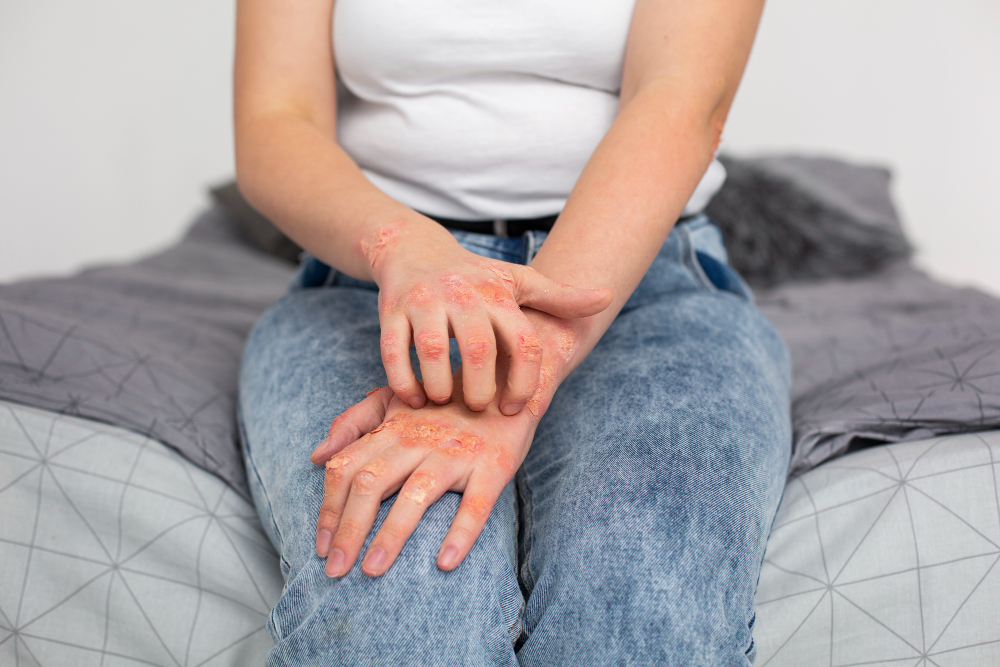
What is Dermatitis?
Dermatitis is a common skin condition. It causes redness, swelling, and itching. Many people call it skin irritation. Although it is not usually dangerous, it can be uncomfortable. For example, both adults and children can get dermatitis. According to the CDC, dermatitis can have many causes, such as allergies, irritants, or genetics.
Common Symptoms of Dermatitis
Recognizing the symptoms of dermatitis is important. Early treatment can help prevent discomfort. Here are some common signs of skin irritation:
In addition, dermatitis symptoms in adults and children can look different. For example, babies may get red, itchy cheeks. Adults might see dry patches on their hands or arms.
How to Recognize Skin Irritation
Sometimes, it is hard to know if you have dermatitis. However, there are a few ways to identify dermatitis at home:
Moreover, if you see these signs of skin irritation, try to avoid scratching. Scratching can make the problem worse. Also, keep track of when symptoms appear. This can help your doctor find the cause.
When to See a Doctor
Sometimes, dermatitis can be managed at home. However, you should see a doctor if:
For children, see a doctor if the rash is near the eyes or mouth. Also, seek help if your child seems very uncomfortable or has trouble sleeping.
Tips for Managing Symptoms
While you wait to see a doctor, you can try these tips for managing symptoms of dermatitis:
Additionally, always follow your doctor’s advice for treatment. Over-the-counter creams may help, but some cases need prescription medicine.
If you notice symptoms of dermatitis, consult a dermatologist Dr. Ashish Piplwa for personalized care. Early help can prevent further skin problems and keep you comfortable.