
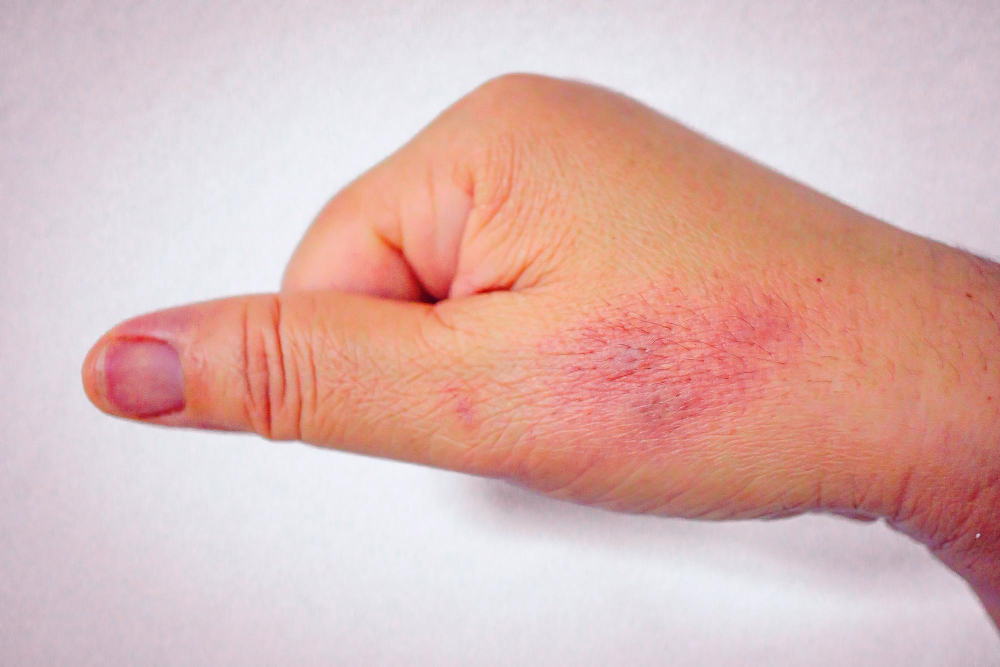
What Is Dermatitis?
Dermatitis is a common skin problem. It means your skin is irritated or inflamed. Often, people call it skin irritation. Many things can cause dermatitis, such as allergies, harsh soaps, or even stress. Because it affects the skin, it can make you feel uncomfortable. For many, knowing the symptoms of dermatitis helps them spot the problem early.
Understanding Skin Irritation
Skin irritation happens when your skin reacts to something. Sometimes, it is mild. Other times, it can be severe. For example, touching a new soap or plant may cause irritation. But, dermatitis can also appear without a clear reason. Either way, it is important to know the signs of dermatitis so you can take action.
Common Symptoms of Dermatitis
Recognizing the symptoms of dermatitis is key to getting help. While symptoms can vary, most people notice a few common signs. Below are the main skin irritation symptoms to watch for:
Additionally, these dermatitis warning signs may come and go. Sometimes, they get worse with certain triggers, like heat or stress.
How Symptoms Vary by Age, Skin Type, or Severity
Not everyone experiences dermatitis in the same way. For example, children often get red, itchy rashes on their cheeks or arms. Adults may notice dry, scaly patches on their hands or legs. In people with darker skin, redness may look more like dark spots or gray patches. Also, the severity of symptoms can change. Mild cases may only cause slight itching. But, severe cases can lead to pain, open sores, or infection.
Furthermore, people with sensitive skin may react more quickly. Those with allergies may notice symptoms soon after contact with certain items. Because of these differences, it is important to know how to recognize dermatitis in yourself or your family.
When to Seek Medical Attention
Most cases of dermatitis are mild and improve with simple care. However, you should see a doctor if:
In some cases, a dermatologist can help find the cause and suggest the best treatment. According to the Centers for Disease Control and Prevention (CDC), early care can prevent problems and help your skin heal faster.
Summary
In summary, knowing the symptoms of dermatitis helps you spot skin irritation early. Look for redness, itching, swelling, and other warning signs. Because symptoms can vary, pay attention to any changes in your skin. If you notice any symptoms of dermatitis, consult a dermatologist Dr. Ashish Piplwa for personalized advice.