
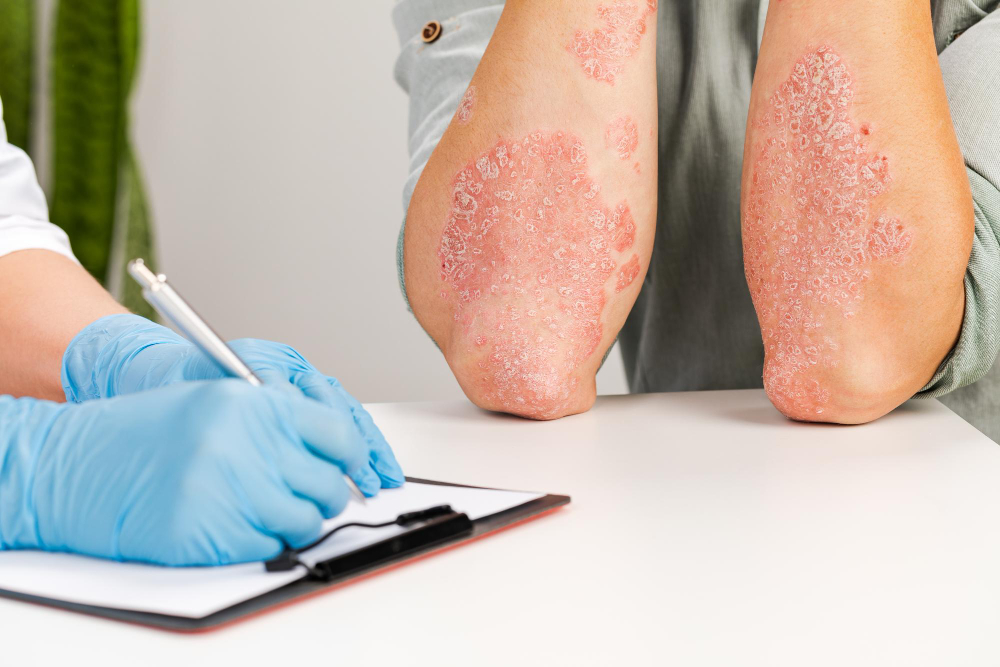
What is Eczema?
Eczema is a common skin condition that makes the skin red, itchy, and dry. Many people, including children and adults, can get eczema. In fact, the Centers for Disease Control and Prevention (CDC) reports that eczema affects millions worldwide. While eczema is not contagious, it can be bothersome and sometimes painful. For some, symptoms may come and go. Others may have eczema for many years. Because eczema can look different for each person, it is important to learn about its causes, triggers, and skin care management.
Common Symptoms of Eczema
Usually, eczema causes the skin to feel itchy and look red. Sometimes, the skin may also swell or crack. For example, children often get eczema on their cheeks, arms, or legs. Adults may notice it on their hands, elbows, or behind the knees. In addition, symptoms can change over time. Here are some common signs of eczema:
Because these symptoms can look like other skin problems, it is helpful to see a doctor for a proper diagnosis.
Causes of Eczema
Although the exact cause of eczema is not fully known, experts believe it happens due to a mix of genes and environment. For instance, if someone in your family has eczema, asthma, or allergies, you may have a higher chance of getting it. According to the World Health Organization (WHO), people with eczema often have a weaker skin barrier. This means their skin loses moisture easily and lets in germs or irritants. As a result, the skin becomes dry and inflamed. Eczema causes can also include problems with the immune system, which may overreact to certain triggers.
Common Triggers for Eczema Flare-Ups
Even though eczema is a long-term condition, certain things can make it worse. These are called triggers. Knowing your eczema triggers can help you avoid flare-ups. For example, some people notice their eczema gets worse in dry or cold weather. Others may react to soaps or certain fabrics. Here are some common eczema triggers:
Because triggers can be different for everyone, it is important to pay attention to what affects your skin.
Diagnosis of Eczema
Doctors usually diagnose eczema by looking at your skin and asking about your symptoms. Sometimes, they may ask about your family history or any allergies you have. In some cases, a doctor may do a patch test. This test helps find out if something you touch is causing your eczema. However, there is no single test for eczema. If you live in areas with high rates of allergies, such as cities with lots of pollen, your doctor may consider this during diagnosis. Early diagnosis can help you start eczema management sooner and prevent more severe symptoms.
Skin Care Management for Eczema
Proper eczema skin care can make a big difference in how you feel. Because the skin is sensitive, gentle care is key. Here are some tips for daily eczema management:
Because eczema can be stubborn, you may need to try different products to find what works best. If you live in dry climates, using a humidifier at home may help keep your skin moist.
Prevention Tips for Eczema
While you may not be able to prevent eczema completely, you can lower your risk of flare-ups. For instance, keeping your skin moist and avoiding known triggers can help. Here are some helpful prevention tips:
Because eczema management is ongoing, regular skin care and attention to triggers can help you feel more comfortable every day, consult Dr. Ashish Piplwa for treatment.