
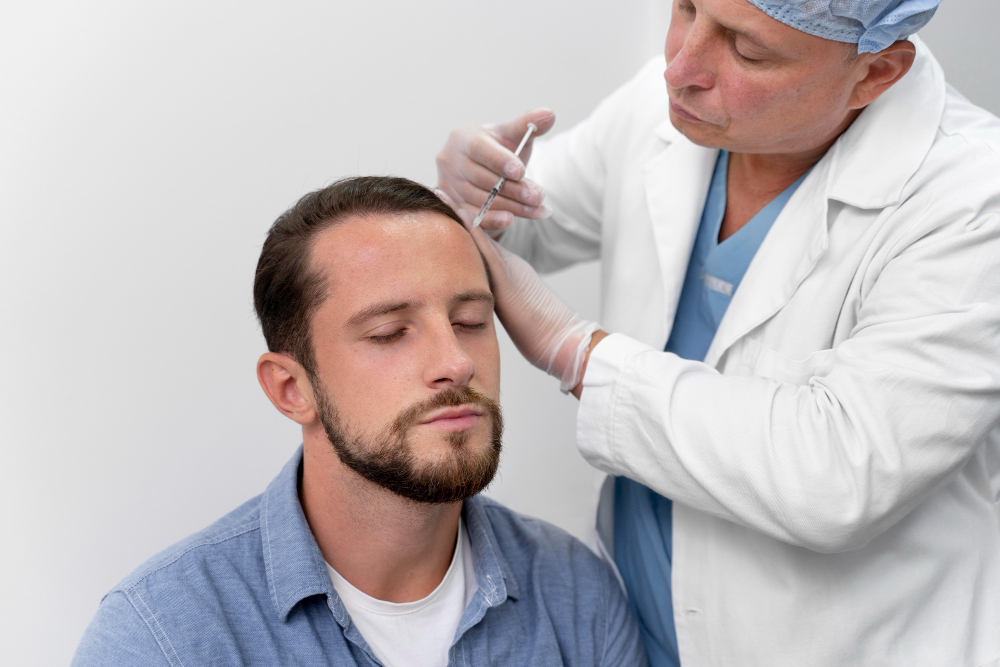
Introduction: Why Hair Transplantation Matters
Many people wonder about the importance of hair transplantation. Hair loss affects millions worldwide. For some, it can lower self-esteem and confidence. However, hair transplantation offers a lasting solution. This procedure restores natural hair growth. As a result, it helps people feel better about their appearance. In this blog, you will learn about hair transplantation benefits, the procedure, and what to expect.
Common Causes of Hair Loss
Hair loss can happen for many reasons. Sometimes, it is due to genetics. Other times, it may result from health problems or stress. Understanding the cause helps you find the right hair loss solutions. Here are some common causes:
Because hair loss can have many causes, it is important to talk to a doctor before choosing a treatment.
Benefits of Hair Transplantation
Hair transplantation offers several benefits. Not only does it improve appearance, but it also boosts confidence. Let’s look at the main advantages:
Additionally, hair transplantation can help people feel younger and more energetic. For many, these changes improve their quality of life.
Overview of the Hair Transplant Procedure
Hair transplant surgery is a safe and effective way to restore hair. There are two main methods: Follicular Unit Transplantation (FUT) and Follicular Unit Extraction (FUE). Both methods move healthy hair from one part of the scalp to areas with thinning or no hair.
Because the procedure uses your own hair, results look natural. Most people can return home the same day.
Expected Results and Recovery Process
After a hair transplant, you may notice some swelling or mild discomfort. However, these symptoms usually go away in a few days. Here’s what you can expect:
During recovery, it is important to follow your doctor’s advice. For example, avoid heavy exercise and protect your scalp from the sun. With proper care, most people are happy with their results.
Safety, Risks, and Considerations
Hair transplantation is generally safe when done by a qualified specialist. Still, like any surgery, it has some risks. These may include:
However, most side effects are mild and go away with time. To reduce risks, always choose a certified and experienced doctor. The World Health Organization (WHO) and other health agencies recommend checking your doctor’s credentials before any procedure.
Tips for Choosing a Qualified Hair Transplant Specialist
Choosing the right specialist is key to a safe and successful hair transplant. Here are some tips:
Because your results depend on the skill of the specialist, take time to research your options.
Frequently Asked Questions
Is hair transplantation painful?
Most people feel only mild discomfort. Local anesthesia keeps you comfortable during the procedure.
How long does the procedure take?
It usually takes 4 to 8 hours, depending on the number of grafts.
Will the transplanted hair fall out?
Some shedding is normal in the first month. However, new hair will start to grow after a few months.
Are the results permanent?
Yes, transplanted hair is usually permanent. It grows like your natural hair.
Who is a good candidate for hair transplantation?
People with healthy hair on the back or sides of the scalp are good candidates. However, a doctor can best decide if the procedure is right for you.
Conclusion
In summary, hair transplantation offers a safe and lasting solution for hair loss. It improves appearance, confidence, and quality of life. If you are considering this procedure, consult a certified dermatologist Dr. Ashish Piplwa to discuss if hair transplantation is right for you.