Introduction
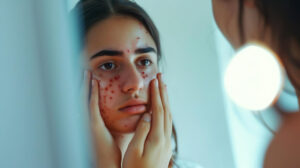
Acne vulgaris, often called pimples, is a common skin problem. Many people, especially teens and young adults, deal with it. Understanding the most common causes of acne vulgaris can help you manage and prevent breakouts. While pimples are not dangerous, they can affect self-esteem. Learning about the reasons behind acne can guide you to better skin health.
What is Acne Vulgaris?
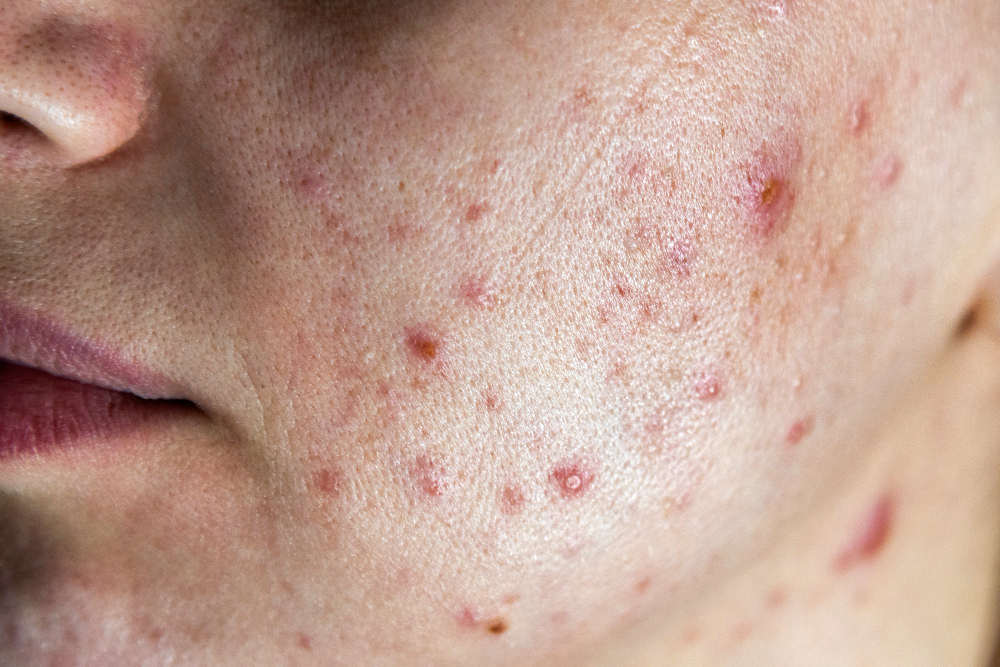
Acne vulgaris is a skin condition that causes pimples, blackheads, and whiteheads. It happens when hair follicles under the skin become blocked. Usually, this blockage is due to oil, dead skin cells, or bacteria. Acne can appear on the face, chest, back, and shoulders. Although it is most common in teenagers, adults can get it too.
Why Do Pimples Occur?
Pimples form when pores get clogged. Often, this happens because of extra oil, dead skin, or bacteria. As a result, the skin becomes red and swollen. Sometimes, pimples can be painful. But with the right care, most people can control their acne.
Most Common Causes of Acne Vulgaris
Many factors can trigger acne. Below are the most common causes of acne vulgaris:
Hormonal Changes
Hormones play a big role in acne. During puberty, hormone levels rise. This increase can cause more oil production. Women may also notice acne during periods, pregnancy, or menopause. Hormonal changes are a leading cause of pimples in teens and adults.
Excess Oil Production
Our skin makes oil to stay soft. However, too much oil can clog pores. Oily skin types are more likely to get pimples. Sometimes, hot or humid weather can make the skin produce more oil. This is why acne can be worse in certain climates.
Bacterial Growth (Cutibacterium acnes)
Bacteria called Cutibacterium acnes live on the skin. When pores are blocked, these bacteria can grow quickly. As a result, the skin becomes inflamed and pimples form. Keeping the skin clean can help reduce bacteria.
Clogged Pores (Dead Skin Cells)
Dead skin cells are always shedding. But sometimes, they stick to the skin and block pores. When this happens, oil and bacteria get trapped. This leads to blackheads, whiteheads, or pimples. Gentle washing and exfoliation can help prevent clogged pores.
Diet and Lifestyle Factors
What you eat may affect your skin. Some studies suggest that high-sugar foods and dairy can trigger acne. Fast food and greasy snacks may also play a role. In addition, not washing your face after sweating can make acne worse. Healthy habits can support clear skin.
Stress and Environmental Triggers
Stress does not cause acne directly. However, it can make breakouts worse. When you are stressed, your body makes more hormones. These hormones can increase oil production. Environmental factors like pollution, heat, and humidity can also trigger pimples. People living in cities may notice more breakouts due to air pollution.
Who is Most at Risk?
Anyone can get acne, but some people are more likely to have it. The following groups are at higher risk:
Even though these groups are at higher risk, acne can affect anyone at any age.
When to See a Dermatologist
Most mild acne can be managed at home. However, you should see a dermatologist if:
Early treatment can prevent scarring and boost your confidence. Dermatologists can offer personalized advice and stronger treatments if needed.
Conclusion
To sum up, the most common causes of acne vulgaris include hormonal changes, extra oil, bacteria, clogged pores, diet, stress, and environment. While acne is common, understanding its triggers can help you manage it better. For the best results, consult a dermatologist Dr. Ashish Piplwa for personalized advice on managing acne vulgaris.