Introduction
Acne vulgaris, often called pimples, is a common skin problem. Many people want to know the most common causes of acne vulgaris. Understanding these causes helps you prevent and treat pimples better. While acne is not dangerous, it can affect your confidence. Knowing why pimples form can help you take steps to keep your skin clear.
What is Acne Vulgaris?
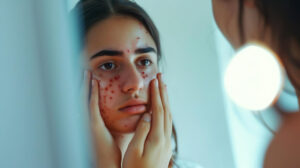
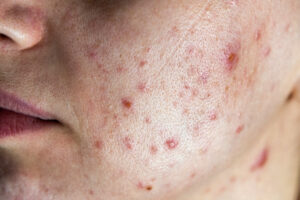
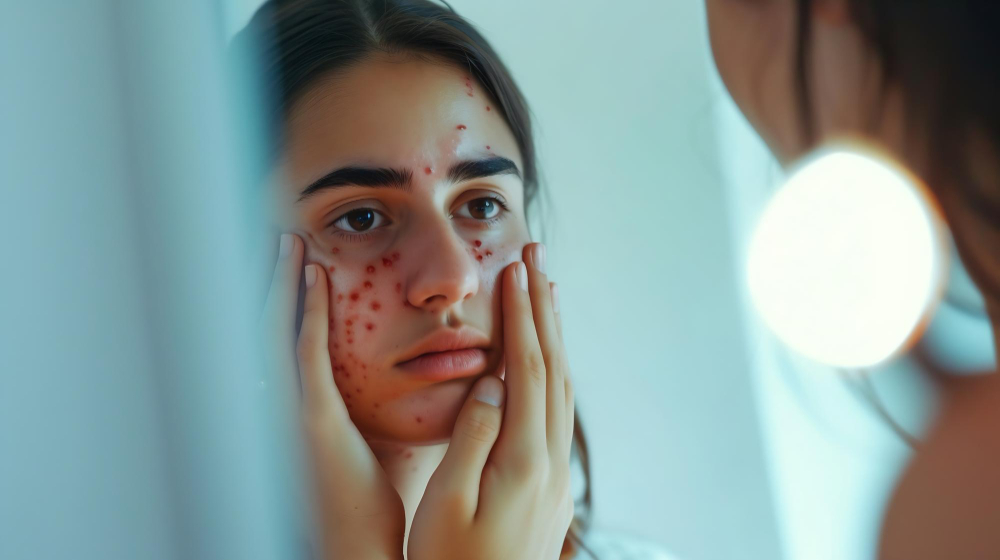
Acne vulgaris is a skin condition that causes pimples, blackheads, and whiteheads. It happens when hair follicles get clogged with oil and dead skin cells. Usually, acne appears on the face, chest, back, and shoulders. Anyone can get acne, but it is most common in teenagers. However, adults can have it too.
Most Common Causes of Acne Vulgaris
Many factors can lead to acne. Below are the most common causes of acne vulgaris:
In addition, factors like using oily skin products or living in a humid climate can also play a role.
How These Causes Affect the Skin
First, extra oil and dead skin cells block the pores. Then, bacteria grow inside these blocked pores. As a result, the skin becomes red and swollen. This process leads to pimples, blackheads, or whiteheads. Sometimes, deeper lumps called cysts can form. Therefore, keeping pores clear is important for healthy skin.
Who is Most at Risk?
Acne can affect anyone, but some people have a higher risk. For example, teenagers often get pimples due to hormonal changes. However, adults, especially women, may also have acne during pregnancy or periods. People with a family history of acne are more likely to get it. In addition, those who use oily makeup or live in hot, humid places may notice more breakouts.
Prevention Tips
While you cannot control all causes, you can lower your risk. Here are some simple tips for preventing pimples:
Moreover, if you notice that certain products or foods make your acne worse, try to avoid them.
Conclusion
To sum up, the most common causes of acne vulgaris include hormones, oil, bacteria, genetics, medications, diet, and stress. By understanding these factors, you can take steps to prevent pimples. If you have ongoing or severe acne, consult a dermatologist Dr. Ashish Piplwa for personalized advice on managing acne vulgaris.